Registration
×
We are living through an exciting era in the field of RNA editing, marked by significant developments in recent years. This unique symposium will bring together leading scientists from around the world to discuss cutting-edge advancements in RNA editing and related topics. Among the many subjects to be covered, we will explore the basic mechanisms and functions of RNA editing, as well as its role in RNA sensing, innate immunity, and immune-mediated diseases. Furthermore, the meeting will address various aspects of therapeutic applications enabled by RNA editing, which hold great potential for overcoming the challenges associated with CRISPR-based DNA editing approaches. We welcome scientists from diverse fields to contribute their unique perspectives to this meeting.
Jin Billy LI, Stanford University
Thorsten STAFFORST, University of Tübingen
(in alphabetic order)
Hiroshi ABE, Nagoya University
Dan BAR YAACOV, Ben-Gurion University of the Negev
Brenda BASS, The University of Utah
Peter BEAL, University of California, Davis
Shay BEN AROYA, Bar-Ilan University
Polly Leilei CHEN, National University of Singapore
Hachung CHUNG, Columbia University
Yuval DOR, The Hebrew University of Jerusalem
Eli EISENBERG, Tel Aviv University
Yang GAO, Rice University
Chenhui HAO, CAS Center for Excellence in Molecular Plant Sciences
Shibin HU, Shenzhen Medical Academy of Research and Translation
Josh HUANG, Duke University
Heather HUNDLEY, Indiana University
Michael JANTSCH, Medical University of Vienna
Inga JARMOSKAITE, AIRNA
Hiroki KATO, University of Bonn
Yukio KAWAHARA, The University of Osaka
Erez LEVANON, Bar-Ilan University
Lei LI, Shenzhen Bay Laboratory
Shulin LIU, Nankai University
Jinbiao MA, Fudan University
Kazuko NISHIKURA, The Wistar Institute
Manolis PASPARAKIS, University of Cologne
Shuangshuang PU, Chinese Academy of Medical Sciences and Peking Union Medical College
Philipp REAUTSCHNIG, University of Tübingen
Nakamura TAKAHIRO, Kyushu University
Meng How TAN, Nanyang Technological University
Carl WALKLEY, Hudson Institute of Medical Research
Wensheng WEI, Peking University
Xinshu Grace XIAO, University of California, Los Angeles
Longyong XU, Shenzhen Bay Laboratory
Rui ZHANG, Sun Yat-sen University
NOTE: More speakers to be announced.
|
Day 1 (Monday, January 5) |
|
|
09:00-14:00 |
On-site Registration |
|
|
|
|
Pre-meeting Workshop (Please bring your computer) Location: Meeting Room A & B, 4/F, Cloud Park International Conference Center |
|
|
14:30-16:00 |
Concurrent Topic 1. Bioinformatic analysis of RNA editing This workshop covers basic computational analyses for RNA editing studies. Organized by Rui ZHANG, Sun Yat-sen University |

|
14:30-16:00 |
Concurrent Topic 2. Engineering principles for recruiting ADAR with encodable gRNAs This workshop covers how to design encodable guide RNAs for ADAR-mediated transcriptome engineering. Organized by Philipp REAUTSCHNIG, University of Tübingen |
|
16:00-16:30 |
Break |
|
|
|
|
RNA Editing: Past, Current, and Future Location: 3/F, Cloud Park International Conference Center |
|
|
16:30-17:10 |
Brenda BASS, University of Utah ADARs then and now: mechanistic insights for the future |
|
17:10-17:50 |
Kazuko NISHIKURA, Wistar Institute A-to-I RNA editing by ADAR: from enigmatic origin to translational application in cancer therapy & innate immunity regulation |
|
Day 2 (Tuesday, January 6) |
|
|
08:00-08:30 |
On-site Registration |
|
08:30-08:45 |
Opening Remarks Jin Billy LI, Stanford University Thorsten STAFFORST, University of Tübingen |
|
|
|
|
Session I Chair: Carl WALKLEY, Hudson Institute of Medical Research Focus: Fundamental understanding of RNA editing and RNA sensing, ranging from the regulation, mechanism and functions |
|
|
08:45-09:15 |
Carl WALKLEY, Hudson Institute of Medical Research Defining editing dependent and editing independent functions of ADAR1 |
|
09:15-09:30 |
Dan BAR YAACOV, Ben-Gurion University of the Negev When we can’t trust bacterial DNA: A-to-I RNA editing generates protein isoforms with altered function in bacteria |
|
09:30-09:50 |
Heather HUNDLEY, Indiana University How do ADARs achieve binding specificity in vivo? |
|
09:50-10:10 |
Eli EISENBERG, Tel Aviv University Combinatorial diversity due to extensive recoding in the neural proteome of cephalopods |
|
10:10-10:40 |
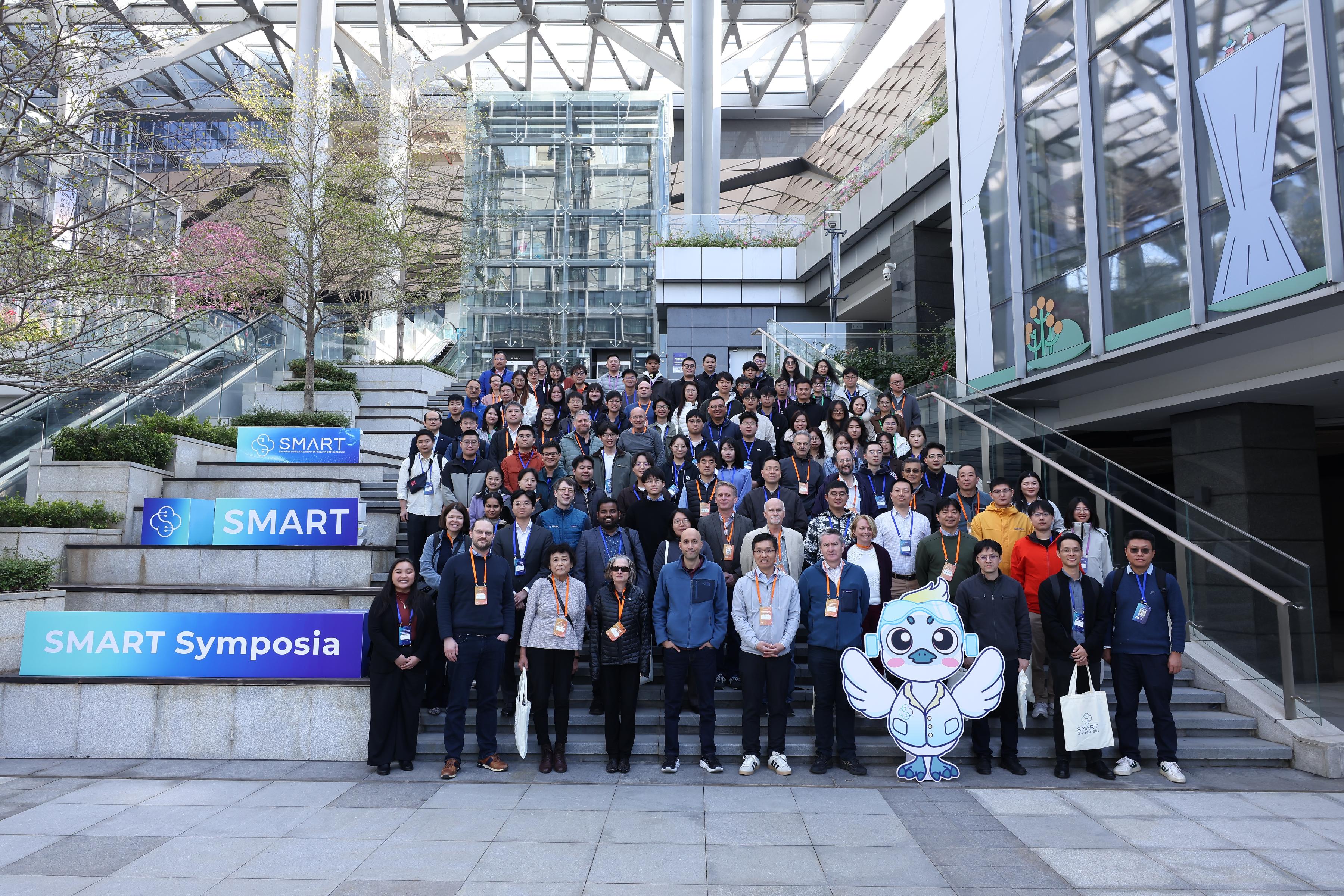
Group Photo and Break |
|
10:40-11:00 |
Michael JANTSCH, Medical University of Vienna Loss of A-to-I editing reproducibly affects m6A abundance at a limited number of sites |
|
11:00-11:20 |
Hiroki KATO, University of Bonn RIG-I like receptors and type I interferonopathies |
|
|
|
|
11:20-12:10 |
Panel Discussion Chairs: Carl WALKLEY, Hudson Institute of Medical Research Jin Billy LI, Stanford University |
|
|
|
|
12:10-14:00 |
Lunch |
|
|
|
|
Session II Chair: Thorsten STAFFORST, University of Tübingen Focus: Engineering targeted editing with endogenous ADAR; principles to design guide RNAs & ASOs, Proof-of-concept, where are we, how can we improve |
|
|
14:00-14:30 |
Thorsten STAFFORST, University of Tübingen RNA base editing with ADAR |
|
14:30-14:50 |
Wensheng WEI, Peking University Bringing LEAPER editing toward clinical application |
|
14:50-15:10 |
Hiroshi ABE, Nagoya University mRNA molecular design for drug discovery |
|
15:10-15:30 |
Philipp REAUTSCHNIG, University of Tübingen Key factors for precise and efficient RNA base editing in the CNS |
|
15:30-15:50 |
Inga JARMOSKAITE, AIRNA High-throughput screening reveals modular RNA sequence features that enhance programmable RNA editing |
|
15:50-16:20 |
Break |
|
16:20-16:40 |
Peter BEAL, University of California, Davis Rewriting genetic information in RNA using oligonucleotide-directed adenosine deamination |
|
16:40-17:00 |
Rui ZHANG, Sun Yat-sen University Leveraging MIRROR gRNAs to harness endogenous ADARs for in vivo RNA editing |

|
|
|
|
17:00-17:50 |
Panel Discussion Chairs: Thorsten STAFFORST, University of Tübingen Peter BEAL, University of California, Davis |
|
|
|
|
17:50-20:00 |
Banquet |
|
20:00-22:00 |
Poster Session |
|
Day 3 (Wednesday, January 7) |
|
|
08:00-08:30 |
On-site Registration |
|
|
|
|
Session III Chair: Hachung CHUNG, Columbia University Focus: Roles of RNA editing and sensing in health and diseases |
|
|
08:30-09:00 |
Hachung CHUNG, Columbia University Understanding how ADAR1 regulates double-stranded RNAs |
|
09:00-09:20 |
Jin Billy LI, Stanford University Genetic evidence for RNA editing-related mechanisms in immune-related diseases |
|
09:20-09:40 |
Yuval DOR, The Hebrew University of Jerusalem Impaired RNA editing as a path to islet inflammation and diabetes |
|
09:40-10:00 |
Grace XIAO, University of California, Los Angeles ADAR1, hnRNP M, and the dsRNA substrates that trigger MDA5 activation |
|
10:00-10:30 |
Break |
|
10:30-10:50 |
Erez LEVANON, Bar-Ilan University RNA editing at the single cell level |
|
10:50-11:10 |
Lei LI, Shenzhen Bay Laboratory Atlas of cell type-specific post-transcriptional genetic impacts in immune-related diseases |
|
11:10-12:00 |
Panel Discussion Chairs: Hachung CHUNG, Columbia University Yuval DOR, The Hebrew University of Jerusalem |
|
|
|
|
13:30-20:00 |
City Tour |
|
Day 4 (Thursday, January 8) |
|
|
08:00-08:30 |
On-site Registration |
|
|
|
|
Session IV Chair: Josh HUANG, Duke University Focus: Applying ADAR editing and engineering editing; editing beyond rare mutations, editing beyond A-to-I, engineered ADARs, RADAR approaches |
|
|
08:30-09:00 |
Josh HUANG, Duke University Reading and writing animal cells through RNA programmable cell editing |
|
09:00-09:20 |
Yang GAO, Rice University Molecular basis of ADAR1-mediated RNA editing |
|
09:20-09:40 |
Takahiro NAKAMURA, Kyushu University Expanding RNA editing technologies with synthetic PPR-DYW proteins |
|
09:40-10:00 |
Shay BEN AROYA, Bar-Ilan University Deciphering the factors governing the exceptional editing activity of avian ADARs and their recognition of dsRNA substrates |
|
10:00-10:30 |
Break |
|
10:30-10:45 |
Shulin LIU, Nankai University Harnessing aptamer-guided ADAR1 for RNA editing |
|
10:45-11:00 |
Chenhui HAO, CAS Center for Excellence in Molecular Plant Sciences An ADAR2-mimic base editor for efficient C-to-U RNA editing in vivo |
|
11:00-11:20 |
Meng How TAN, Nanyang Technological University Efficient, site-specific RNA editing with engineered ADARs and CRISPR-Cas13s |
|
11:20-12:10 |
Panel Discussion Chairs: Josh HUANG, Duke University Meng How TAN, Nanyang Technological University |
|
|
|
|
12:10-14:00 |
Lunch |
|
|
|
|
Session V Chair: Polly CHEN, National University of Singapore Focus: Mechanisms of RNA editing in evading the RNA sensing by MDA5, PKR, ZBP1, etc. |
|
|
14:00-14:30 |
Polly CHEN, National University of Singapore From sensing to silence - dsRNA pathways and ADAR1-driven immune evasion |
|
14:30-14:50 |
Manolis PASPARAKIS, University of Cologne ADAR1 and ZBP1 cross talk in cell death and interferon signaling |
|
14:50-15:05 |
Longyong XU, Shenzhen Bay Laboratory IRE1a silences dsRNA to cancer immune evasion |
|
15:05-15:20 |
Shuangshuang PU, Chinese Academy of Medical Sciences and Peking Union Medical College RNA editing safeguards hematopoietic stem cell homeostasis |
|
15:20-15:50 |
Break |
|
15:50-16:10 |
Yukio KAWAHARA, Osaka University Elucidation of the mechanisms underlying Adar1 mutation-driven encephalopathy |
|
16:10-16:30 |
Shibin HU, Shenzhen Medical Academy of Research and Translation ZBP1 facilitates MDA5 sensing of Z-RNA |
|
16:30-16:50 |
Jinbiao MA, Fudan University Molecular mechanism of the A-Z transition induced by ADAR1 and ZBP1 |
|
|
|
|
16:50-17:40 |
Panel Discussion Chairs: Polly CHEN, National University of Singapore Manolis PASPARAKIS, University of Cologne |
|
17:40-17:50 |
Closing Remarks and Poster Awards |